Ikat facts
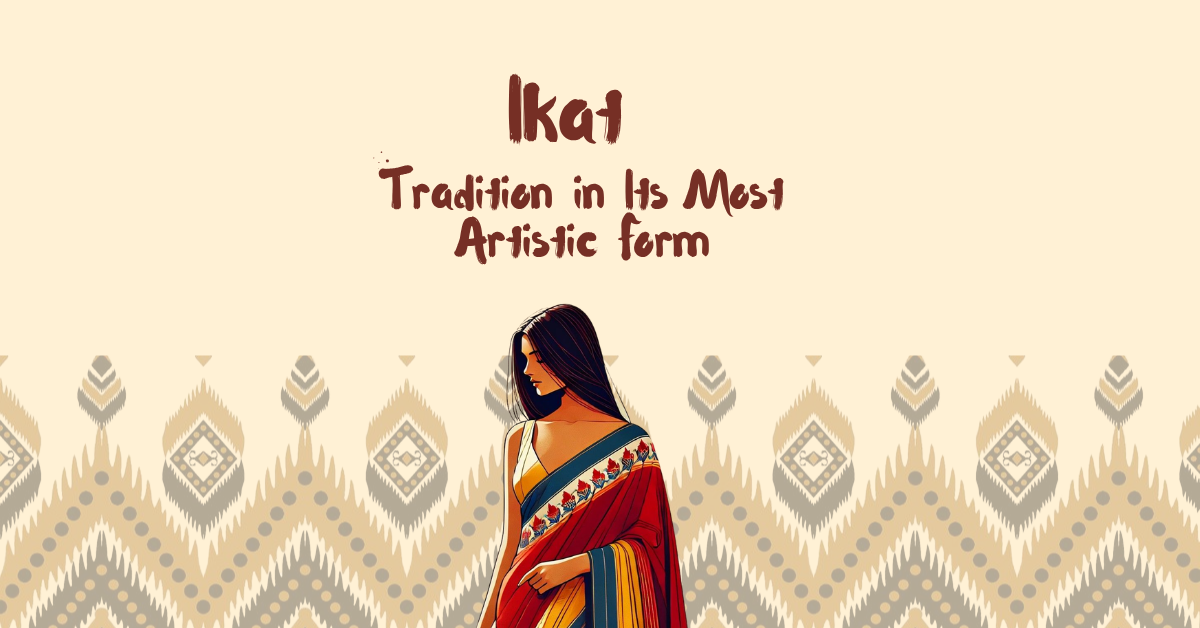
  • Ikat is a dyeing technique, not a weaving pattern.
  • The yarn is dyed before it is woven into fabric.
  • The name “Ikat” comes from the Malay-Indonesian word meaning “to tie” or “to bind.”
  • Sections of yarn are tightly wrapped before dyeing to resist the dye.
  • Once dyed, the bindings are removed to reveal the pattern.
  • The design appears only when the dyed yarns are carefully woven together.
  • Even a slight misalignment can change the final pattern.
  • Creating an Ikat saree requires careful planning before weaving begins.
  • Ikat weaving combines mathematics, precision, and artistry.
  • No two handmade Ikat sarees are exactly alike.
  • India is one of the world’s leading centres for Ikat weaving.
  • Pochampally is famous for its geometric cotton and silk Ikats.
  • Sambalpur is known for its vibrant Sambalpuri Ikat.
  • Patan is home to the exquisite Double Ikat Patola tradition.
  • Each region has its own motifs, colours, and weaving techniques.
  • Ikat can be woven using cotton, silk, linen, or blended yarns.
  • Cotton Ikats are lightweight and ideal for everyday wear.
  • Silk Ikats are popular for festive and special occasions.
  • Double Ikat is one of the most technically demanding textile traditions in the world.
  • In Double Ikat, both warp and weft yarns are resist-dyed before weaving.
  • An intricate Ikat saree can take weeks to complete.
  • Every stage- from tying to dyeing to weaving – is done with meticulous care.
  • Traditional Ikat motifs often draw inspiration from nature, temples, and geometric forms.
  • Many Ikat designs have been passed down through generations of artisan families.
  • Buying handwoven Ikat helps sustain traditional weaving communities.
  • Slightly blurred edges in the motifs are a hallmark of authentic Ikat, not a flaw.
  • Handwoven Ikat fabrics are breathable and comfortable to wear.
  • With proper care, an Ikat saree can last for decades.
  • Every Ikat saree reflects the skill, patience, and creativity of its weaver.
  • Wearing Ikat is wearing a piece of living textile heritage.

Did you know an Ikat pattern is created before the weaving even begins?

Did you know the yarn may be tied and dyed multiple times to achieve different colours?

Did you know authentic Ikat patterns are visible on both sides of the fabric?

Did you know a single mistake in yarn alignment can affect the entire design?

Did you know Double Ikat is considered one of the rarest and most complex weaving techniques in the world?

Explore

https://dhagabithi.in/product-category/saree/?filter_craft=ikat

https://dhagabithi.in/product-category/saree

Leave a Reply

Ikat facts

30 FACTS ABOUT IKAT WEAVING

Did you know an Ikat pattern is created before the weaving even begins? Did you know the yarn may be tied and dyed multiple times to achieve different colours? Did you know authentic Ikat patterns are visible on both sides of the fabric? Did you know a single mistake in

Read More »
Sambalpuri Sarees

10 BEAUTIFUL SAMBALPURI SAREES EVERY SAREE LOVER SHOULD OWN

Every saree lover has a few pieces in her wardrobe that hold a special place in her heart. These are the sarees she reaches for when she wants to feel elegant, confident, and effortlessly graceful. They are the sarees that attract compliments years after purchase and somehow never seem to

Read More »
Work Wear

WHY SAREES MAKE EXCELLENT WORKWEAR

Workwear Sarees: Where Comfort Meets Everyday Elegance In a world of fast-paced schedules, long meetings and packed calendars, what you wear should help you feel confident, comfortable, and effortlessly polished. For many women, the saree remains a timeless choice that balances professionalism with personal style. Among the many options available,

Read More »
Comfort meets everyday elegance

BEST HANDLOOM SAREES FOR DAILY WEAR

Handloom sarees are no longer reserved for special occasions. Today’s women are embracing handwoven sarees for work, casual outings, travel, and everyday life. Comfortable, breathable, and timeless, handloom sarees offer the perfect blend of style and practicality. If you’re looking for sarees that can become wardrobe staples, here are some

Read More »
Handloom stories - Khadi

DO YOU REALLY KNOW THE FABRIC YOU CALL ‘ KHADI ‘

Khadi’s journey from protest marches to red carpets is a testament to its timeless appeal: Pricing: The Cost of Conscience Khadi sarees are priced for their ethical value, not just aesthetics: Why the Range? How to Authenticate a Khadi Saree: The Telltale Signs of Handspun Heritage To spot a genuine

Read More »