Weaves: The Unsung Heroes of Fabric Construction
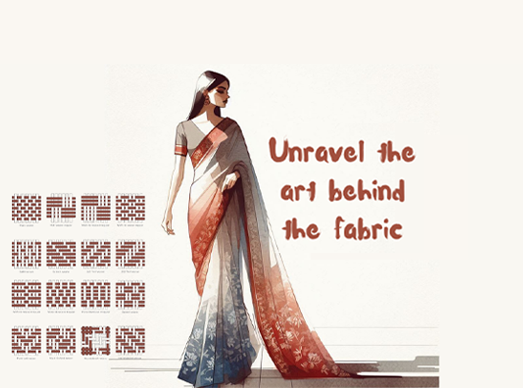
When it comes to textiles, the term weave refers to the way threads are interlaced to form a fabric. This seemingly small detail can have a profound impact on texture, durability, stretch, breathability, and overall feel. Whether you’re buying a saree, suit, bed sheets, or choosing upholstery, understanding the weave can make all the difference.
Handloom Sarees: Why Weave Matters
Handloom sarees are defined by their weave. The way warp and weft threads are interlaced on a loom determines the saree’s texture, drape, breathability, durability, and overall elegance. Unlike machine-made fabrics, handloom weaving allows precise control over tension and pattern-giving each saree character and life.
When choosing a handloom saree, understanding the weave helps you select the right piece for comfort, occasion, and longevity.
How Weave Shapes a Handloom Saree
Breathability: Looser cotton weaves allow airflow, ideal for warm climates.
Durability: Tighter silk weaves create structured pleats and long-lasting fabric.
Drape: The weave controls how fluid or firm the saree falls.
Texture: From crisp cotton to smooth silk, weave defines the feel.
Popular Handloom Sarees and Their Weaves
Banarasi Saree – The Art of Brocade Weaving.
Banarasi sarees use complex brocade weaving techniques where supplementary zari threads are woven into the base fabric to create intricate motifs.
Weave Features:
- Dense silk base weave
- Floating zari threads for elaborate designs
- Rich texture with structured drape
Best for weddings and formal occasions, the tight weave adds durability while maintaining grandeur.
- Kanjeevaram Saree – Strength in Interlocking Weave
Kanjeevaram sarees are known for their korvai technique, where borders and body are woven separately and interlocked
Weave Features:
- Heavy mulberry silk threads
- Strong interlocking borders
- Durable, long-lasting construction
The tight weave ensures longevity—many Kanjeevaram sarees last generations.
- Chanderi Saree – Lightweight and Sheer Weave
Chanderi sarees are woven using silk-cotton blends in a plain weave structure that creates a lightweight, translucent fabric.
Weave Features:
- Fine yarns
- Open, breathable weave
- Glossy finish with delicate motifs
Ideal for summer and festive wear, their airy weave enhances comfort without compromising elegance.
- Tant Saree – Crisp Plain Weave Comfort
Tant sarees from Bengal use a tight plain cotton weave.
Weave Features:
- Breathable cotton structure
- Crisp texture
- Lightweight and durable
Perfect for daily wear in humid climates, the weave allows airflow while maintaining structure
How Weave Affects Handloom Saree Performance
Breathability :
Loose cotton and silk-cotton weaves allow airflow, making sarees comfortable in hot climates.
Durability :
Dense silk weaves like Banarasi and Kanjeevaram resist wear and maintain their shape for decades.
Drape and Fall
The interlacing technique determines how fluidly a saree falls. Heavier weaves create structured pleats, while lighter weaves offer softness.
Texture and Finish
From glossy satin-like surfaces to matte cotton textures, the weave defines the tactile experience.
Why Understanding Weave Matters When Buying Handloom Sarees
When shopping for handloom sarees online or in-store, don’t focus only on color and design. Look at:
- Thread density
- Weave tightness
- Border construction
- Motif integration
- Fabric weight
A well-woven saree is not just beautiful—it is an investment.
Handloom Weaves: Preserving Craft and Culture
Each weave tells a regional story, reflecting centuries-old techniques passed down through generations of artisans. By choosing authentic handloom sarees, you support traditional weaving communities and sustainable textile practices.
Understanding the weave helps you appreciate not just the fabric—but the hands behind it.
A handloom saree is more than six yards of fabric. It is structure, skill, tradition, and artistry woven together thread by thread. When you understand the weave, you understand the saree.
If you appreciate the texture and character of handwoven fabrics, explore our Kalamkari, Ikat and Tussar saree collections.
Link:
https://dhagabithi.in/product-category/saree/?filter_saree-fabric=tusser
https://dhagabithi.in/product-category/saree/?filter_craft=ikat
https://dhagabithi.in/product-category/saree/?filter_craft=kalamkari