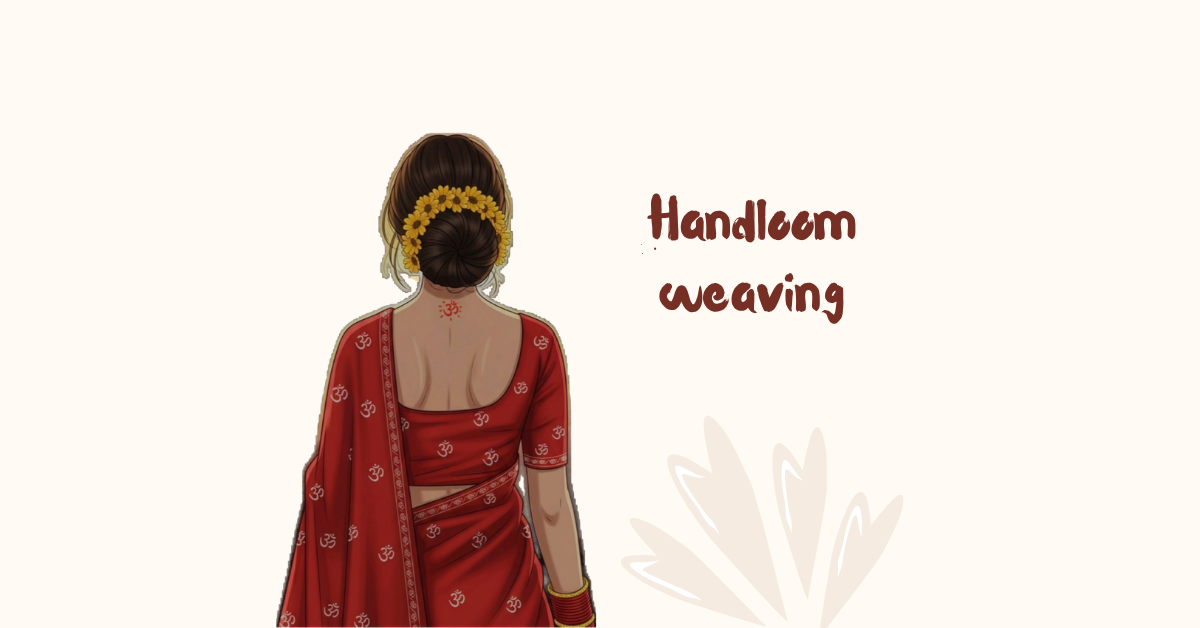

Handloom weaving

  1. Handloom fabric is woven on manually operated looms without electricity.
  2. Every handloom saree is unique – no two pieces are exactly alike.
  3. Small irregularities in the weave are a sign of authenticity, not defects.
  4. A handloom saree may take anywhere from a few days to several weeks to weave.
  5. Intricate weaves like Jamdani are created by inserting motifs thread by thread.
  6. Handloom weaving is one of India’s oldest living crafts, passed down through generations.
  7. India has thousands of weaving communities, each with its own distinctive techniques and designs.
  8. Every region has a unique weaving tradition shaped by its culture, climate, and history.
  9. Most handloom sarees are made in small family-run workshops rather than factories.
  10. Weaving a saree requires years of practice and skill to master.
  11. Handloom fabrics are naturally breathable, making them comfortable in warm weather.
  12. With proper care, a quality handloom saree can last for decades.
  13. Handloom cotton becomes softer and more comfortable with every wash.
  14. Handloom weaving consumes far less electricity than machine weaving.
  15. Buying handloom directly supports artisans and helps preserve traditional livelihoods.
  16. Many weaving techniques have been preserved for centuries with very little change.
  17. Some sarees involve more than one artisan, with different people handling dyeing, warping, weaving, and finishing.
  18. The beauty of a handloom saree lies in its craftsmanship rather than mass production.
  19. Natural fibres like cotton, silk, linen, and wool are commonly used in handloom weaving.
  20. Traditional motifs often draw inspiration from nature, architecture, folklore, and local culture.
  21. Handloom is a slow craft that values quality over quantity.
  22. A well-made handloom saree often drapes beautifully because of its natural weave.
  23. Choosing handloom helps keep India’s rich textile heritage alive for future generations.
  24. Many handloom clusters have received recognition for their unique weaving traditions.
  25. Every handloom saree carries the time, skill, and dedication of the artisan who created it.

https://dhagabithi.in/product-category/saree

Leave a Reply

Cotton Vs Linen

COTTON VS LINEN – WHICH ONE IS RIGHT FOR YOU ?

Cotton or linen : Which saree should you choose ? Both are loved for their comfort, breathability and effortless elegance, especially in India’s warm and humid climate. But while cotton and linen may look similar at first glance, they have very different textures, drapes and personalities. If you are building
Read More »
Saree Care

10 SAREE SAFETY TIPS EVERY WOMEN SHOULD KNOW

Protect Your Handloom & Silk Sarees for Years A saree is more than just six yards of fabric – it carries memories, craftsmanship, and tradition. Whether it’s a cherished handloom cotton, an heirloom silk, or your favourite everyday drape, a few mindful habits can keep it looking beautiful for years.

Read More »
Stain care

HOW TO REMOVE STAINS FROM DIFFERENT TYPE OF SAREES

How to Remove Stains from Different Types of Sarees A saree is more than just an outfit—it’s a timeless piece of craftsmanship that deserves thoughtful care. Whether it’s an accidental coffee spill, oil splatter, makeup stain, or mud from a rainy day, acting quickly can prevent permanent damage. Different fabrics

Read More »
Monsoon care

MONSOON CARE GUIDE – SIMPLE WAYS TO PROTECT YOUR SAREES

Preserve Every Drape A saree is more than just clothing – it’s a piece of craftsmanship, tradition, and personal memories. With just a few simple habits, you can keep your favourite weaves looking elegant season after season. At Dhagabithi, we celebrate timeless handloom sarees and believe that proper care helps

Read More »